Podcast: Play in new window | Download
Psychotherapist and high stakes cash game crusher Ben Raven joins Carlos and Andrew for a conversation about his unconventional path to playing poker professionally, why mental game coaching is no substitute for therapy, and more.
Ben’s fantastic YouTube channel
You can support the show, hear over 1000 archived episodes, and submit your own questions at patreon.com/ThinkingPokerDaily. Two episodes each week are free just for signing up!
You can also support the show by visiting gtodojo.com/thinking. That link gets you a 10% discount if you sign up! While you’re there, read about integrating GTO and Exploitative play.
You can join Andrew and Carlos on ClubWPT Gold by signing up at https://clubwptgold.com/?promo=THINK.
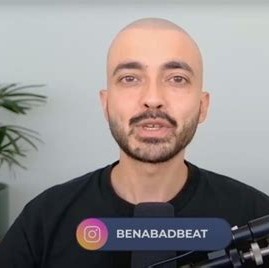
Ben Raven
Ben Raven is a psychotherapist and poker pro committed to sharing results transparently on his YouTube channel.
1. The thing that tilts me hardest in the strategy segment is your correspondent opening to $16. Fast poker is more fun and more profitable. That extra $1 will invariably lead to somebody putting out four nickels and now the dealer is making change and blah blah the game slow down. Make it $15 or (prolly better) make it $20. Keep the $1 chips out of the mix. I make quite a scene about it when I’m playing live $2/3 and the dealers literally thank me.
2. Carlos, in many rooms, if you switch tables, you have to take your full stack to the new table exactly to avoid structurally going south.
3. Ben Raven (halfway through) has truly prodded at the “How do I feel about bringing negative energy into another human’s life” sore spot that thinking poker players must have. Ouch.
Really enjoyed the therapy vs mental-game-coaching distinction. From the math side of the table, I’d add one observation: a lot of what gets labeled “tilt” is actually innumeracy about variance. I’ve watched players (myself included) go on tilt not because they’re emotionally broken, but because their intuitive model of “how often should I be losing here” is wrong — they expect the math to feel fair in the short run, and it never does. Learning the actual distribution — that a 60/40 favorite still loses two in five, that breakeven stretches over thousands of hands are normal — doesn’t replace therapy, but it removes a whole category of false evidence the tilt-monkey feeds on. Ben’s point lands harder once you see it this way: coaching tells you what to think, therapy helps you notice you’re thinking it, and the math tells you whether the thought was ever true.